January 26, 2026
Curb appeal is an essential factor in increasing the overall attractiveness and marketability of a home. Thoughtful outdoor planning is a powerful tool that can be used to enhance a property's appearance, making it more inviting to potential buyers and guests. Well-considered exterior improvements create a harmonious and appealing environment that not only improves the visual impression of a home but also its perceived value. A beautiful landscape complements architectural features, enhances outdoor spaces, and provides a welcoming atmosphere. Ultimately, investing in professional landscape design is an investment in the long-term enjoyment and resale potential of your property.
Understanding the Basics of Outdoor Planning
Outdoor planning involves the careful coordination of natural and built elements to improve both appearance and usability. It blends creativity with practical considerations to create cohesive exterior environments that feel intentional rather than accidental. Successful projects account for climate, soil conditions, drainage, and how people move through the space. By approaching improvements holistically, homeowners can achieve results that are both visually appealing and functional. This balanced approach ensures the outdoor space remains resilient and enjoyable over time.
The Role of Landscaping in Curb Appeal
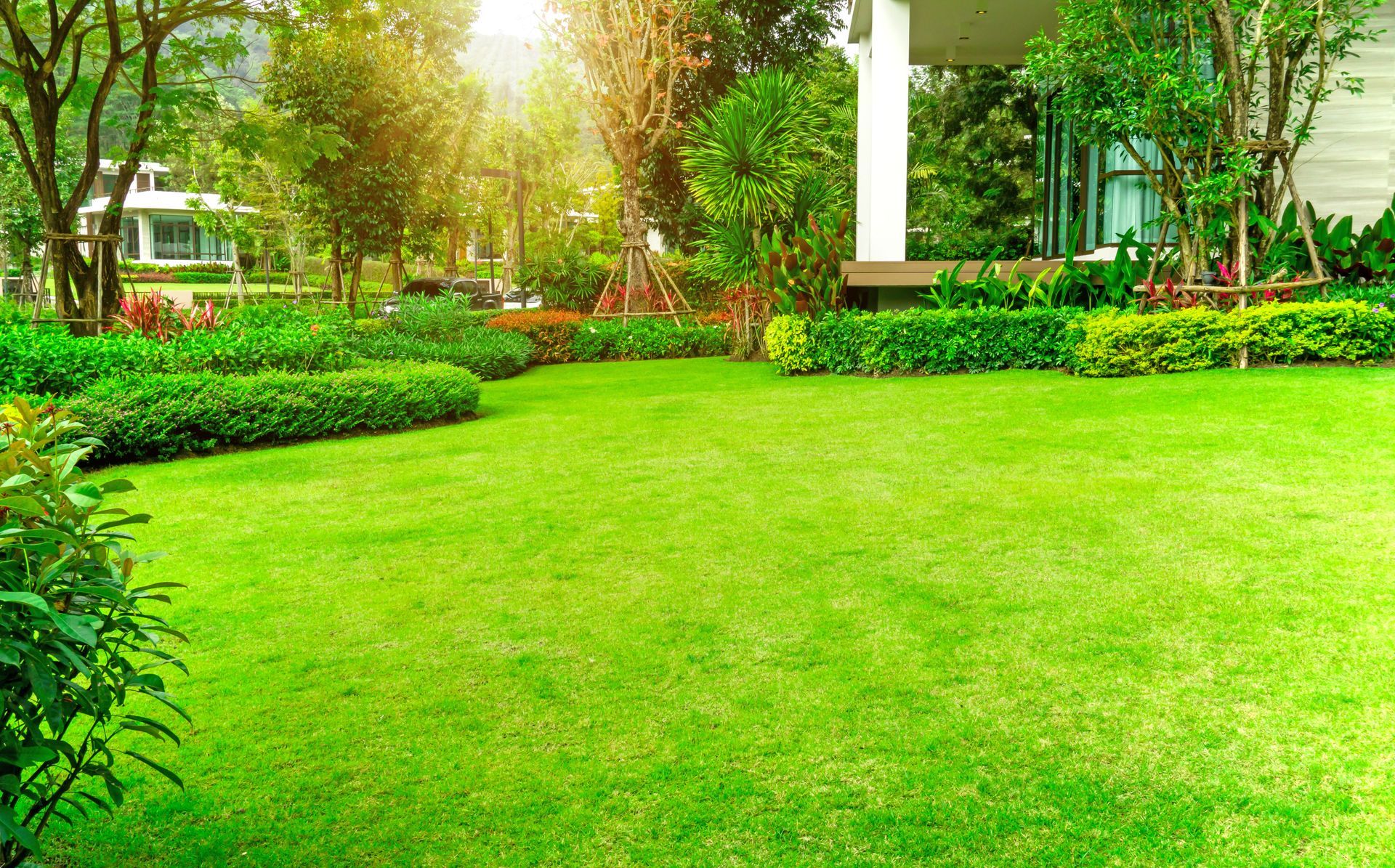
The visual impact of a well-maintained exterior is immediate and long-lasting, directly influencing how a property is perceived. Clean lines, healthy plantings, and organized layouts signal care and attention to detail. Strategic landscaping can frame the home, soften harsh architectural angles, and create a sense of balance. These visual cues help potential buyers or visitors form a positive first impression before ever stepping inside. As a result, curb appeal often plays a decisive role in overall property valuation.
Key Elements That Shape an Attractive Yard
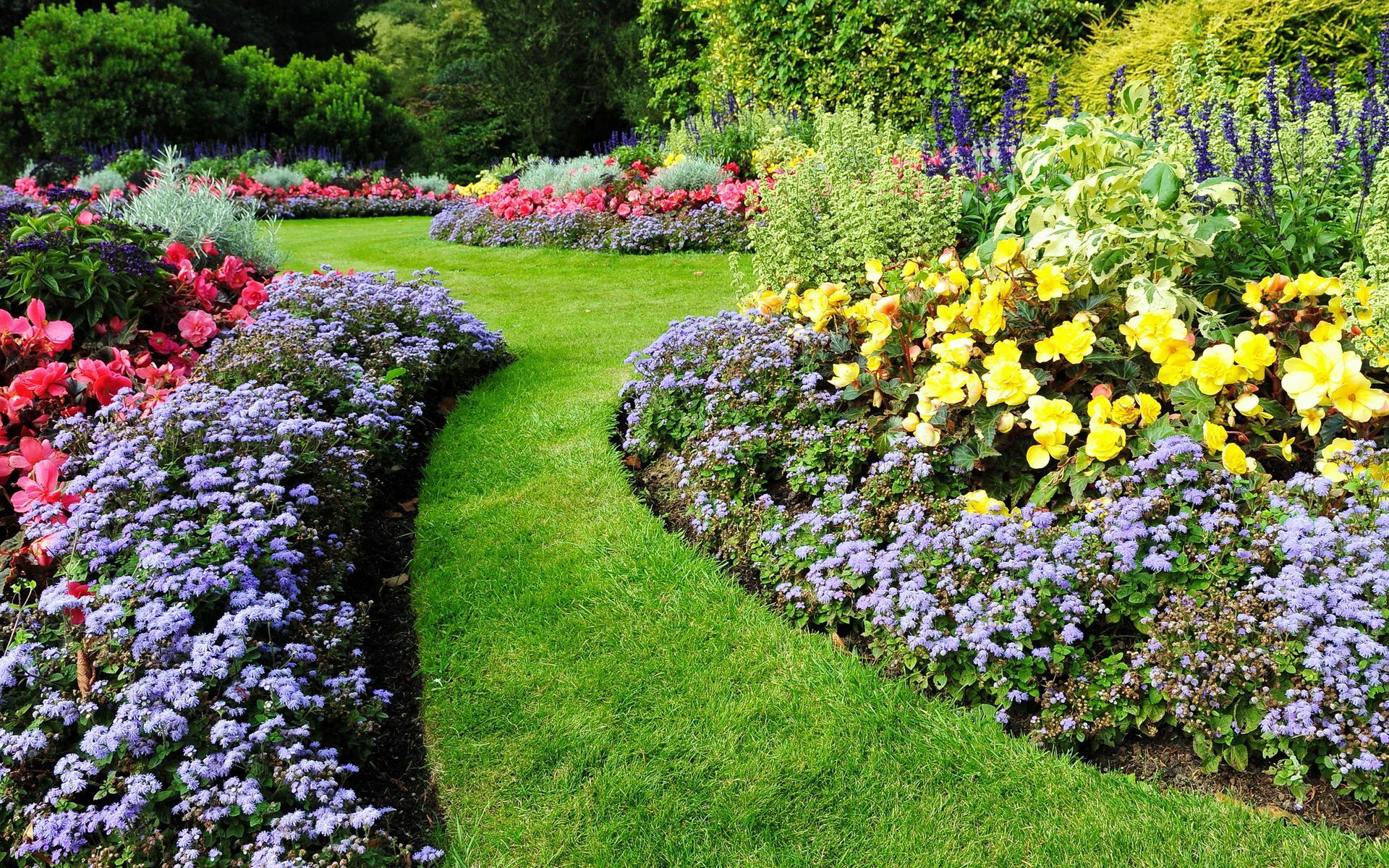
Successful outdoor spaces rely on a combination of color, texture, form, and scale working together. Color introduces vibrancy and can be used to guide the eye or emphasize focal areas. Texture adds depth by contrasting foliage types and surface materials. Form and scale ensure plants and structures complement the home rather than overpower it. When these elements are thoughtfully coordinated, the exterior feels unified and visually engaging.
Popular Styles for Residential Landscapes
Homeowners can choose from a wide range of landscape styles, each offering a distinct aesthetic. Traditional layouts often emphasize symmetry and structured plantings, creating a timeless and formal appearance. Contemporary styles focus on clean lines, minimal plant palettes, and modern materials. Cottage-inspired gardens provide a relaxed, informal feel with layered plantings and seasonal color. Selecting a style that aligns with the home’s architecture helps create a cohesive exterior presentation.
Choosing a Style That Fits Your Property
Selecting the right approach requires balancing personal preferences with environmental and practical considerations. Sun exposure, rainfall patterns, and soil conditions all influence what will thrive long term. Maintenance expectations should also guide decisions, as overly complex designs can become burdensome. Professional guidance can help homeowners identify solutions that align beauty with practicality. A well-planned landscape design supports long-term success by ensuring aesthetic choices remain functional over time.
Enhancing Visual Interest Through Plant Selection
Plant choices play a central role in shaping the character of an outdoor space. Native plants are often favored because they adapt well to local conditions and require less maintenance. Mixing plant sizes, leaf shapes, and bloom times creates visual variety throughout the year. Thoughtful placement ensures plants enhance rather than obscure architectural features. A well-curated plant palette brings depth, movement, and seasonal interest to the yard.
Creating Structure With Trees and Shrubs
Trees and shrubs provide the backbone of most residential landscapes. They establish vertical interest, define boundaries, and create natural focal points. Properly placed trees can frame entrances, provide shade, and guide views across the property. Shrubs help anchor planting beds and soften transitions between open lawn and built structures. Together, these elements give the landscape a sense of permanence and structure.
Balancing Hardscaping and Greenery
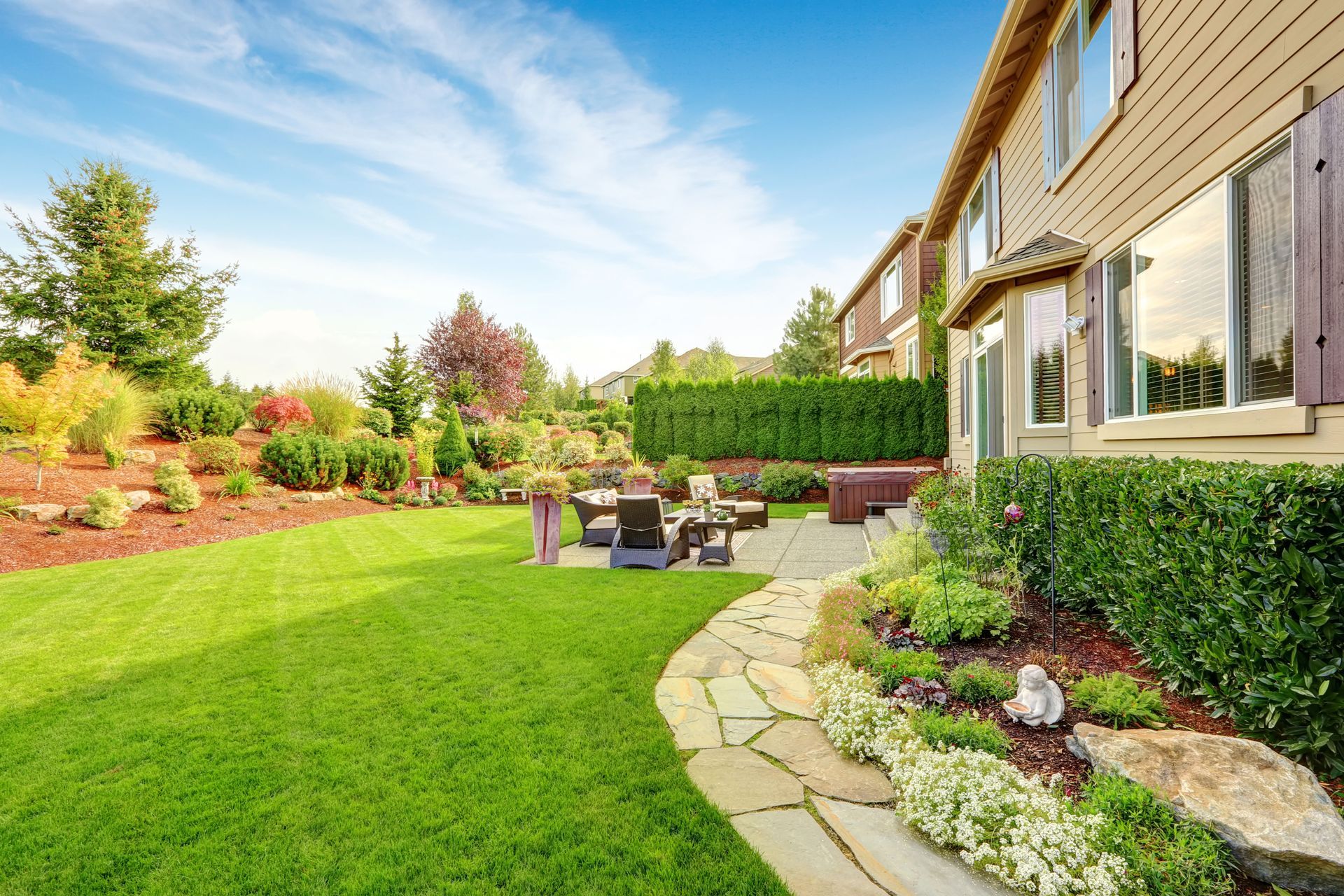
Hardscaping elements such as patios, walkways, and retaining walls add functionality and organization to outdoor spaces. When balanced with plantings, these features enhance usability without overwhelming the natural environment. Hard surfaces create defined areas for movement and gathering, while greenery softens edges and adds visual warmth. Achieving harmony between these components is a cornerstone of effective landscape design that supports both form and function.
Maximizing Space Through Smart Layouts
Efficient layouts are essential for making the most of available outdoor space, regardless of lot size. Smaller yards benefit from vertical features and multifunctional elements that conserve ground area. Larger properties can be divided into zones for entertaining, relaxation, and gardening to maintain organization. Clear pathways and sightlines help guide movement and create a sense of flow. Strategic layouts ensure every part of the yard serves a purpose.
Using Lighting to Extend Outdoor Enjoyment
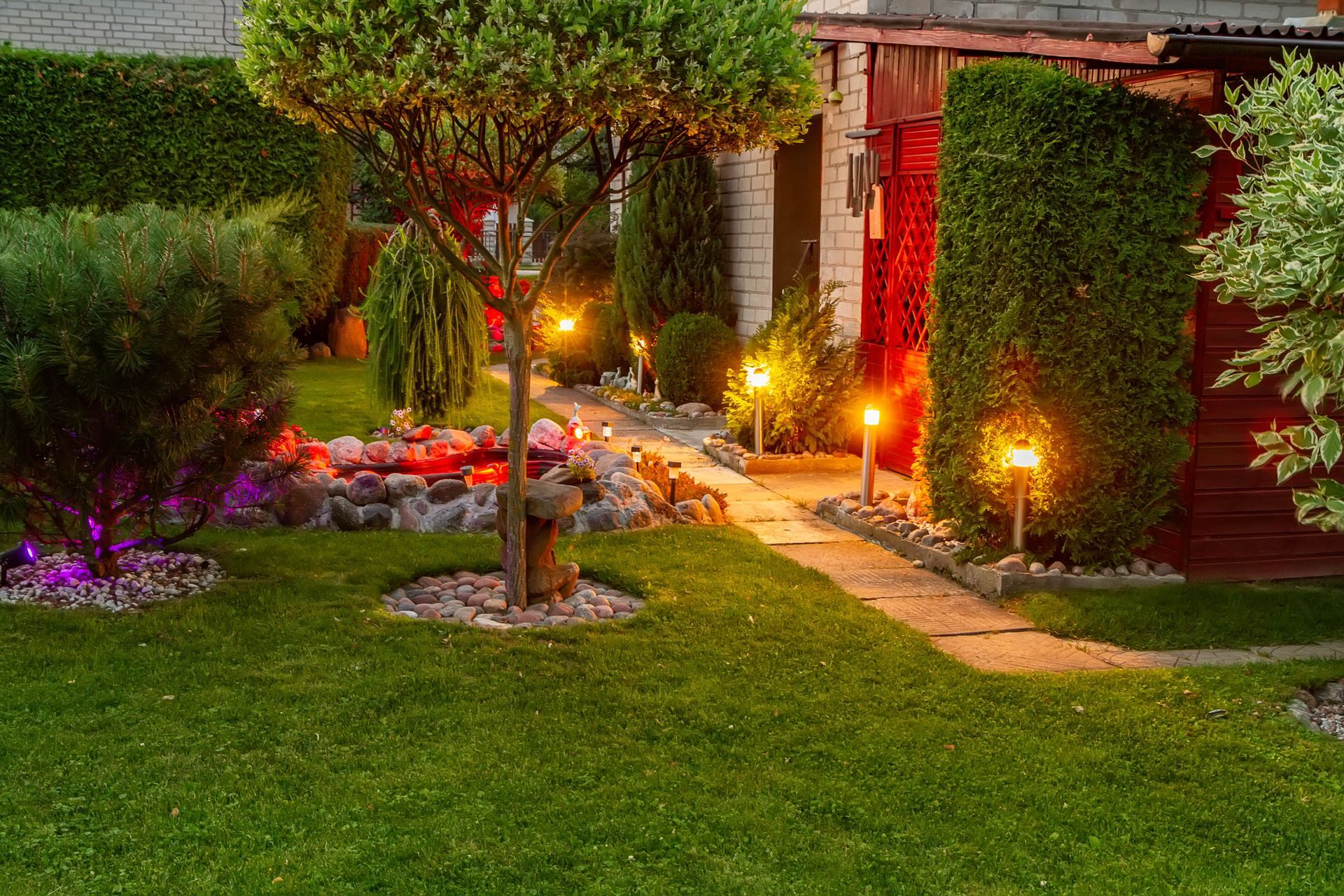
Outdoor lighting transforms landscapes after sunset, extending usability and enhancing safety. Soft illumination highlights architectural details, trees, and pathways without overwhelming the space. Layered lighting techniques add depth and ambiance while improving visibility. Energy-efficient fixtures provide sustainable solutions that reduce operating costs. Thoughtful lighting design elevates the nighttime appearance of the property.
Incorporating Water Features Thoughtfully
Water features introduce movement and sound, adding a calming dimension to outdoor environments. Fountains, ponds, and small cascades can serve as focal points or subtle accents. The sound of moving water helps mask background noise and creates a peaceful atmosphere. Proper placement ensures these features integrate naturally with surrounding elements. When maintained correctly, water features enhance both visual appeal and sensory experience.
Adopting Sustainable Landscaping Practices
Sustainability is increasingly important in residential outdoor planning. Techniques such as efficient irrigation, native plantings, and permeable materials reduce environmental impact. Healthy soil management improves plant resilience and minimizes the need for chemical treatments. Wildlife-friendly features support local ecosystems and biodiversity. Integrating sustainability into landscape design benefits both the homeowner and the environment.
Long-Term Value of Professional Planning
Well-executed outdoor improvements deliver lasting benefits beyond immediate visual appeal. Consistent maintenance and thoughtful updates help preserve property value over time. According to Bankrate, homeowners should generally keep landscaping and outdoor project spending within 10% to 20% of the home’s value, reinforcing the importance of strategic planning. Professional landscape design ensures investments are targeted, cohesive, and aligned with long-term goals. This approach results in outdoor spaces that remain attractive, functional, and valuable for years to come.
Seasonal Maintenance and Long-Term Care
Ongoing maintenance is essential to preserving the beauty and functionality of any outdoor space. Seasonal tasks such as pruning, mulching, and soil conditioning help plants remain healthy and visually appealing throughout the year. Regular inspections allow homeowners to address drainage issues, plant stress, or hardscape wear before they become costly problems. A proactive maintenance plan ensures the landscape matures gracefully rather than declining over time. Consistent care protects the initial investment and keeps the exterior looking polished in every season.
Boosting Property Value Through Outdoor Enhancements
Thoughtful exterior improvements can significantly influence how a property is perceived in the real estate market. Clean layouts, defined outdoor living areas, and healthy plantings signal quality and attention to detail to potential buyers. Even modest upgrades, such as refreshed planting beds or improved walkways, can yield noticeable returns. These enhancements create emotional appeal, helping buyers envision themselves enjoying the space. Well-planned outdoor environments often translate into stronger offers and faster sales.
A carefully planned exterior enhances curb appeal, usability, and overall property value. By focusing on structure, plant selection, sustainability, and layout, homeowners can create inviting outdoor environments that complement their homes. Strategic decisions and professional guidance help ensure each element works together harmoniously. Ultimately, landscape design plays a vital role in transforming ordinary yards into enduring, attractive extensions of the home. Contact ENS Lawn Care & Landscaping LLC today and learn more about our landscaping services.